As we enter September of 2026, the American talk media industry is gearing up to present numerous specials, documentaries, tributes, interviews, and remembrances commemorating the tragic event that befell our nation a quarter century ago. According to  TALKERS conversations held with programmers and talk show hosts across the nation this week, historic events and milestones get heightened attention on anniversaries divisible by five-year intervals with 10-year, quarter- and half-century markers receiving the most. “This is going to be a big one,” exclaimed KSCO, Santa Cruz station owner Michael “MZ” Zwerling stating, “The combination of 9/11 reaching its quarter-century anniversary coupled with the nation being at war with a Middle East adversary makes remembrances of the tragedy even more appropriate than ever.”
In the spirit of this solemn broadcasting occasion, longtime talk media host, commentator, and director of Good For You Network (www.goodforyounetwork.com) C.C. Carter is making the audio file of her compelling PodJockey piece titled, “Reflections on 9/11,” available at no cost for airplay on interested radio stations, networks and talk shows for next Friday’s 25th anniversary of the tragic attack on America. The presentation, featuring background music by the legendary band Gunhill Road, runs a tight, crisp 4:15. It is one of the most heartfelt and compelling 9/11 pieces on the internet.
Regarding “Reflections on 9/11,” Carter – an NYC resident – tells TALKERS, “Two months after 9/11, I went down to the World Trade Center site to pay my respects. I walked over to the makeshift ‘Teddy Bear’ memorial site, where people had spontaneously left notes and cards – and teddy bears. I wanted to write down some of what was left, because it was meant to be heard. I wanted to give voice to people’s hearts and heartache. And so, I ask you to listen to the raw emotions emanating from their hearts. TALKERS founder (and Gunhill Road member) Michael Harrison adds, “C.C. Carter’s ‘Refections on 9/11’ is one of the most powerful shortform pieces about 9/11 on the internet. I am extremely gratified that it is being made available to talk radio again this special year.”
To download the piece, please click here. To arrange an interview with C.C. Carter, please call Barbara Kurland at TALKERS at 413-565-5413.



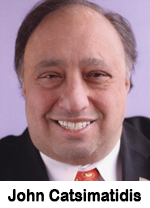 aggression in Ukraine and helping bring the country back after COVID.” Biden tells Catsimatidis he believes the current political climate has made it difficult for people to judge his father’s presidency clearly, but said historians will eventually take a different view. “I think the historians will look at my dad’s presidency as an incredible success,” Biden said. The interview also touches on Hunter Biden’s recovery, the attacks he faced during his father’s presidency, the future of the Democratic Party, immigration, veterans, addiction and whether he would ever consider running for public office.



 frustrating for supporters. National Association of Broadcasters president and CEO Curtis LeGeyt comments: “America’s broadcasters applaud House Majority Leader Steve Scalise for his announcement to bring the AM Radio for Every Vehicle Act to the House floor for a standalone vote the week of September 14. This is an important step forward for legislation that has earned overwhelming bipartisan support in Congress and across the country.

 conservative hosts across America as he offers encouraging commentary to growing national concerns among Republicans about the Democrats flipping an all-important Senate seat in the traditionally red Lone Star State. Yesterday’s installment of the highly rated “Clay Travis & Buck Sexton” Show featured an in-depth interview with Berry (a.k.a. The Czar of Talk) about the Texas Senate race between AG Ken Paxton and James Talarico, who President Donald Trump has taken to calling “Talacreepo.”





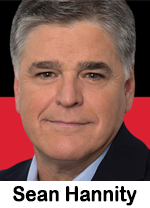 Premiere adds, “For his achievements, Hannity has been honored with two Marconi Awards for ‘Nationally Syndicated Personality of the Year’ and was inducted into the Radio Hall of Fame in 2017. For the past five consecutive years, radio industry publication TALKERS has ranked Hannity No. 1 on its ‘Heavy Hundred’ list of the most important radio talk show hosts in America.” Sean Hannity comments, “Reaching 25 years in national syndication is both humbling and a tremendous honor. What began as a passion for engaging in meaningful conversations about the issues shaping our country has become a daily connection with millions of listeners across America. I am deeply grateful to our audience, our affiliate partners, Premiere Networks, our advertisers, and the talented team that makes this show possible every day. Their loyalty, trust and support have made this milestone possible, and I look forward to continuing the conversation for many years to come.”
 KSDR-AM, KSDR-FM, KWAT-AM, in Watertown, South Dakota and KKSD-FM, Milbank, South Dakota to Riverfront Broadcasting. Riverfront – a South Dakota-based company headed by Doyle and Carolyn Becker – paid $350,000 for the six signals. Riverfront Broadcasting specializes in localized radio broadcasting and digital media.
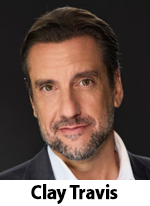 continue co-hosting “The Clay & Buck Show.” Travis’ new sports media platform Sport & State is partnering with iHeartMedia for a podcast network and with advertising sales across digital and web content. Premiere Networks president Julie Talbott states, “Clay Travis is one of the most dynamic and influential voices in talk radio, and we’re thrilled to continue our long-term partnership with him. His ability to engage audiences, spark meaningful conversations, and deliver results for our station partners and advertisers has been extraordinary, and we look forward to continued growth and success together.”
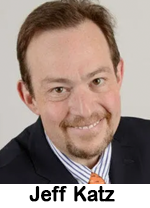 by Congressman John McGuire of Virginia’s Fifth District. McGuire saluted Jeff for his prior police service, for serving as a law enforcement peer support counselor for more than three decades and for creating the Lieutenant Jan McTernan Blue Friday Award 10 years ago. The award is bestowed publicly on a Central Virginia law enforcement officer during an on-air segment on the last Friday of each month
 biggest college football matchups of the 2026 season.” The tour will make 10 campus stops across the country, beginning Saturday, September 5, in Baton Rouge, Louisiana, when Clemson takes on LSU. Additional stops throughout the season include College Station, Texas; Louisville, Ky.; State College, Pa.; Gainesville, Fla.; Austin, Texas; Oxford, Miss.; and a return to Baton Rouge, with additional tour locations and matchups to be announced. At each stop, ESPN Radio hosts Jonathan Zaslow and Amber Wilson will broadcast live for at least two hours leading up to kickoff.
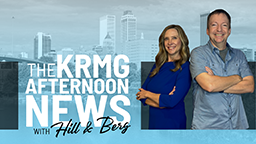 Afternoon News. KRMG has such a strong connection with our community, and I am thrilled to be able to spend my afternoons telling stories and interacting with listeners. I’m looking forward to working more with this team and sharing some laughs along the way.” Berg adds, “I’m honored, excited, and humbled all at the same time about the new show. I grew up in Tulsa listening to John Erling on KRMG, interned at the station when I was in college, and ultimately wound up working here. KRMG is kind of in my DNA, so to have my name attached to a KRMG show is almost surreal and very flattering. I’m eager to begin this new phase at the station.”
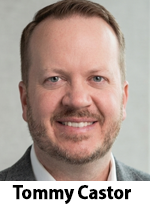 thrilled to have Tommy join the Salt Lake City team. His winning track record, industry expertise, and commitment to excellence make him a tremendous addition to iHeartMedia. Tommy’s leadership will inspire those around him and help position our team for even greater success in the years ahead.” Castor comments, “I’m honored to join the iHeartMedia team in Salt Lake City and lead such a talented group of professionals. This market has an incredible media landscape and strong community connections. I look forward to building on the SLC team’s success and positioning iHeartMedia as the premier media partner in the marketplace.”
 department. Marcus is now serving as SVP, finance and strategic planning, and Montijo rises to SVP, controller and accounting. Salem CEO David Santrella says, “Salem is entering an important new chapter, and Autumn and Monica will be key members of the leadership team helping us shape it. They know Salem and our businesses extremely well, and I have tremendous confidence in both of them and the teams they lead.”
 13. It will feature artists, newsmakers and mental health professionals in honest and meaningful conversations about mental health, emotional well-being and the importance of speaking openly and listening without judgment. Audacy SVP of programming Dave Richards says, “Nearly a decade after we first launched ‘I’m Listening,’ the need for honest conversations about mental health has never been more important. Every year, we’re reminded of the power of simply creating space for people to listen, share their experiences, and know they’re not alone. We’re proud to bring this important program back to our audiences nationwide and continue using the reach and intimacy of audio to connect people with stories, resources and hope.”

 the Class C2 50,000-watt signal. Zoellner Media Group says, “The realignment places each brand on a signal footprint that more closely matches the audience it serves while creating additional opportunities for advertisers throughout the Tulsa market and surrounding communities.” Zoellner president and general manager Steve Hunter adds, “This is a very positive move for our listeners and our advertising partners. The new frequency positions give both stations an opportunity to reach more of the audiences they are built to serve, while also giving our advertisers increased reach and stronger opportunities to connect with consumers across the market.”

 sales and a record of leading agency sales for national media brands, a combination that allows her to build programs the way agencies plan them.” Skyview CEO and chairman Steve Jones adds, “She knows the audio business, how agencies plan and how to open a door that has never been opened before. Bringing Liz to Skyview is an investment not only in revenue growth, but also in the longterm strength of the relationships that will continue to drive our business forward.” Stillman comments, “Network audio still does something no other medium does, putting a brand in front of a national audience at scale, in an environment people trust. Skyview has the reach, station partnerships and technology to deliver that, and I am looking forward to opening those conversations and building programs that deliver measurable results.”
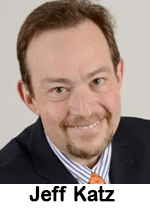 Talk radio host Jeff Katz and Audacy get together on a new deal that keeps Katz on WRVA, Richmond where he’s been hosting the afternoon drive daypart for the past 13 years. Audacy notes that Katz has been recognized throughout the region for his charitable work. He has helped raise more than $1 million for Central Virginia charities and was appointed by Virginia Governor Glenn Youngkin to the Virginia Board for People with Disabilities.

 understand that there is a critical difference between news reporting and simple dictation, we’d love to hear from you. What will set you apart? Journalistic objectivity, understanding what makes a news story relatable, the flexibility to cover breaking news whenever it happens and, most importantly, to be a great teammate and collaborator, working with the entire WBTeam of hosts, anchors, reporters, and producers for the benefit of the Charlotte listeners. If this sounds like you, please