By Holland Cooke
Consultant
 Bill Gates has a useful term for something radio should be thinking about: “Human Reserved.” In an essay about a turbulent AI era, he sketches an unsettling future, and – for broadcasters – has a consequential warning… and an opportunity.
As artificial intelligence performs more and more work traditionally done by humans, he suggests there will be activities we could turn over to machines and deliberately choose not to, because something important would be lost. AI can write a weather forecast, summarize a police report, transcribe a school-board meeting, generate a commercial, voice a liner, research a sales prospect, and assemble an hour of music.
As content gets cheap, human presence becomes more valuable
Search results are AI summaries. Social posts, photos, voices, and videos may be synthetic. Gates warns of AI-powered fraud, disinformation, and deepfakes. Amid all that uncertainty, imagine hearing: “I’m here at the courthouse, where the jury just returned a verdict…”
Could AI manufacture that sentence? Sure. But I know who’s saying it. That’s an asset radio shouldn’t automate away.
Yes, use AI aggressively behind the scenes. Let it transcribe meetings, research prospects, clean up audio, draft proposals, repurpose interviews, and handle routine administrative work. Automate tasks. Protect relationships. Let AI summarize the school-board meeting. Then have your reporter tell me what it means to my kid. Let AI draft ten commercials. Have someone who understands the advertiser decide which idea might actually make the phone ring.
Why advertisers still need us?
Soon every local business owner will be able to generate logos, videos, emails, websites, social posts, and commercial scripts almost instantly. So, “We’ll make your commercial” becomes a nearly worthless sales proposition. The station’s value needs to migrate from selling spots and making ads to: We know this market. We know how to get people here to notice you. And we help make your advertising work.
AI will create an infinite supply of information. What’s scarce will be trust, judgment, relevance, relationships, and recognizable local humans. So, radio’s AI strategy can be surprisingly simple: Use AI to DO more. Use humans to MEAN more.
Here is Bill Gates’ essay: https://www.gatesnotes.com/a-turbulent-ai-era-and-critical-choices-to-make
Holland Cooke (HollandCooke.com) is a consultant working the intersection of broadcasting and the Internet. Follow HC on Twitter @HollandCooke and connect on LinkedIn



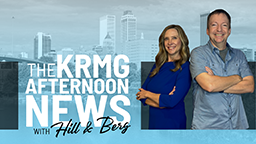 Afternoon News. KRMG has such a strong connection with our community, and I am thrilled to be able to spend my afternoons telling stories and interacting with listeners. I’m looking forward to working more with this team and sharing some laughs along the way.” Berg adds, “I’m honored, excited, and humbled all at the same time about the new show. I grew up in Tulsa listening to John Erling on KRMG, interned at the station when I was in college, and ultimately wound up working here. KRMG is kind of in my DNA, so to have my name attached to a KRMG show is almost surreal and very flattering. I’m eager to begin this new phase at the station.”
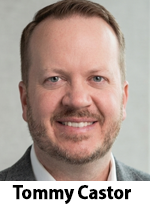 thrilled to have Tommy join the Salt Lake City team. His winning track record, industry expertise, and commitment to excellence make him a tremendous addition to iHeartMedia. Tommy’s leadership will inspire those around him and help position our team for even greater success in the years ahead.” Castor comments, “I’m honored to join the iHeartMedia team in Salt Lake City and lead such a talented group of professionals. This market has an incredible media landscape and strong community connections. I look forward to building on the SLC team’s success and positioning iHeartMedia as the premier media partner in the marketplace.”
 department. Marcus is now serving as SVP, finance and strategic planning, and Montijo rises to SVP, controller and accounting. Salem CEO David Santrella says, “Salem is entering an important new chapter, and Autumn and Monica will be key members of the leadership team helping us shape it. They know Salem and our businesses extremely well, and I have tremendous confidence in both of them and the teams they lead.”
 13. It will feature artists, newsmakers and mental health professionals in honest and meaningful conversations about mental health, emotional well-being and the importance of speaking openly and listening without judgment. Audacy SVP of programming Dave Richards says, “Nearly a decade after we first launched ‘I’m Listening,’ the need for honest conversations about mental health has never been more important. Every year, we’re reminded of the power of simply creating space for people to listen, share their experiences, and know they’re not alone. We’re proud to bring this important program back to our audiences nationwide and continue using the reach and intimacy of audio to connect people with stories, resources and hope.”
 the Class C2 50,000-watt signal. Zoellner Media Group says, “The realignment places each brand on a signal footprint that more closely matches the audience it serves while creating additional opportunities for advertisers throughout the Tulsa market and surrounding communities.” Zoellner president and general manager Steve Hunter adds, “This is a very positive move for our listeners and our advertising partners. The new frequency positions give both stations an opportunity to reach more of the audiences they are built to serve, while also giving our advertisers increased reach and stronger opportunities to connect with consumers across the market.”
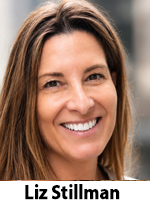 sales and a record of leading agency sales for national media brands, a combination that allows her to build programs the way agencies plan them.” Skyview CEO and chairman Steve Jones adds, “She knows the audio business, how agencies plan and how to open a door that has never been opened before. Bringing Liz to Skyview is an investment not only in revenue growth, but also in the longterm strength of the relationships that will continue to drive our business forward.” Stillman comments, “Network audio still does something no other medium does, putting a brand in front of a national audience at scale, in an environment people trust. Skyview has the reach, station partnerships and technology to deliver that, and I am looking forward to opening those conversations and building programs that deliver measurable results.”
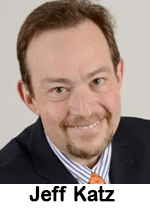 Talk radio host Jeff Katz and Audacy get together on a new deal that keeps Katz on WRVA, Richmond where he’s been hosting the afternoon drive daypart for the past 13 years. Audacy notes that Katz has been recognized throughout the region for his charitable work. He has helped raise more than $1 million for Central Virginia charities and was appointed by Virginia Governor Glenn Youngkin to the Virginia Board for People with Disabilities.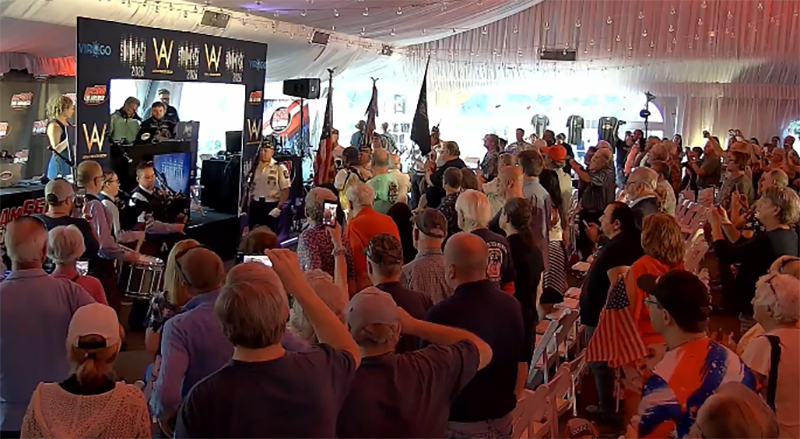
 understand that there is a critical difference between news reporting and simple dictation, we’d love to hear from you. What will set you apart? Journalistic objectivity, understanding what makes a news story relatable, the flexibility to cover breaking news whenever it happens and, most importantly, to be a great teammate and collaborator, working with the entire WBTeam of hosts, anchors, reporters, and producers for the benefit of the Charlotte listeners. If this sounds like you, please
  by falsely claiming to offer an AI-powered service that could target localized ads based on conversations captured from consumers’ smart devices and that consumers had opted into such targeting. The FTC had alleged that the companies “deceived customers by claiming they used a special algorithm to listen in on and detect pertinent conversations from smart devices in order to target ads to consumers within a specific geographic region. Contrary to these companies’ claims, however, the marketing service wasn’t based on voice data, and consumers hadn’t opted into this service. If the service had functioned as advertised, this collection and use of consumers’ voice data without adequate consent would itself violate the FTC Act.”
 In Las Vegas, talk host Steve Sanchez takes over the 9:00 am to 12:00 noon daypart on Kemp Broadcasting’s KMZQ “The Right Talk for Vegas.” Sanches was previously heard in the market on Audacy’s K-DAWN talk station heard on KMXB-HD3 and K268CS in the early evenings.
 mic today and tomorrow (8/31-9/1) to fill in for Michael Smerconish on SiriusXM’s POTUS channel from 9:00 am to 12:00 noon. Morano – who was a talk host at WABC, New York for many years before running for public office – tells TALKERS, “I’ve got a fun couple of shows lined up, including Kelsey Grammer, along with some other interesting guests and plenty of calls and conversation.”
  Howard Stern and SiriusXM announced that with beginning of the new season on Monday, September 14, “The Howard Stern Show” will be made available as a streamable episode for HBO Max, along with periodic extras. They say “The Howard Stern Show” on HBO Max will debut Thursday September 17, with new episodes releasing subsequent Thursdays.
 Smith and afternoon host Angelette Aviles. Numerous reports, including from the blog DCRTV, indicate that several employees in the news department have been let go, as well. The talk shows are being replaced by Premiere Networks’ “The Glenn Beck Show” from 10:00 am to 12:00 noon and “The Clay Travis & Buck Sexton Show” from 12:00 noon to 3:00 pm. “The Sports Lounge” is now airing in the 3:00 pm to 5:00 pm slot, followed by the “WBAL News Now” from 5:00 pm to 7:00 pm.
  presidents of the New Hampshire Prostate Cancer Coalition to talk about awareness, early detection and getting men and their families to start talking about prostate health. Chidester says, “One of the reasons we created the ‘Morning Update Roundtable’ is to give important issues the time and attention they deserve. Prostate cancer is something that affects so many New Hampshire families, but it’s still a conversation many men are reluctant to have. If this discussion encourages even one listener to talk with his doctor, ask about a PSA test, or start a conversation with someone he loves, then we’ve done something worthwhile. I’m incredibly grateful to Kathy and Peter for being so open with our listeners and for the work the New Hampshire Prostate Cancer Coalition is doing across our state.”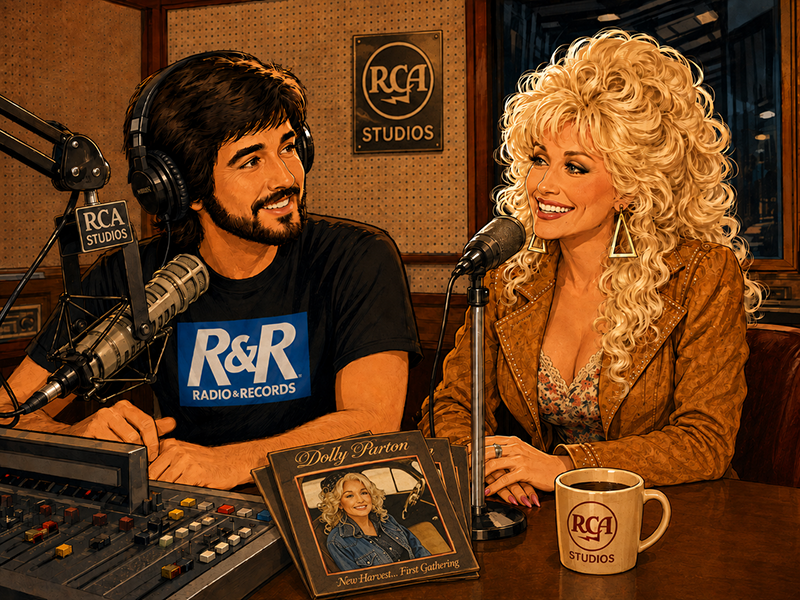
 Management and Live Read Management software for the Aggies, while the Roadrunners join as a new client for AdView Inventory Management. San Jose State’s Spartans, meanwhile, are adding production services to round out their existing audio solutions lineup. Skyview COO Andrew Kalb states, “The addition of Texas A&M and UTSA to our NCAA portfolio along with the expansion of services for San Jose State demonstrates the trust our partners have in Skyview and how these partnerships often grow over time as existing clients look to us for additional services and support. Our team is focused on giving our partners the tools they need to run a first-class broadcast, while simultaneously providing valuable inventory opportunities to our sales team for continued revenue generation.”