

Monday Memo: ChatGPT, Carefully
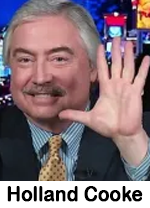
By Holland Cooke
Consultant
 Observation, as a heavy CNBC viewer: Artificial Intelligence is to 2025 what Dot Com was to the late 1990s, game-changer… and shiny object.
Everyone seemed to be chanting “AI” at this year’s CES. In a previous column here, I offered, from experience, some Do’s-and-Don’ts for crafting commercial copy. And as vendors are applying AI to various other broadcast content and operational functions, I asked the app itself: “How would you caution radio broadcasters against over-reliance on ChatGPT?” SECONDS later, the robot replied:
“Here are some key points to consider:
1. Maintain Authenticity: Radio broadcasting thrives on the personality and authenticity of its hosts. Relying too heavily on AI-generated scripts or content can make broadcasts feel robotic, inauthentic, or detached. Listeners tune in to hear the voice, opinions, and personality of the broadcaster, not just information being read off a script. ChatGPT is great for generating ideas, but it shouldn’t replace the genuine voice of the host.
2. Human Connection: One of the strengths of radio is the personal connection that hosts build with their audience. This connection comes from spontaneous moments, personal anecdotes, and relatable conversations. AI can’t replicate the unique, emotional bond that a human broadcaster forms with listeners. Overusing AI could distance the host from the audience and make the show feel more like a recorded message than a live, engaging experience.
3. Accuracy and Fact-Checking: While ChatGPT can generate a lot of information quickly, it’s not always accurate or up-to-date. Broadcasters need to be mindful that AI-generated content might contain errors, outdated facts, or biased perspectives. Relying on AI without fact-checking could lead to broadcasting misinformation, which can seriously damage the station’s credibility.

4. Tone and Nuance: AI like ChatGPT can struggle with tone, emotion, and subtlety in language. Radio broadcasters need to ensure that the tone of the broadcast fits the subject matter and the audience. AI might miss the mark on this, especially in more nuanced or sensitive topics. A human touch is often needed to tailor the message effectively.
5. Audience Engagement: ChatGPT can provide content, but it can’t engage with listeners the way a broadcaster can. Over-relying on AI could take away opportunities for live interaction, audience call-ins, and real-time feedback. Broadcasting is about creating a dialogue, not just delivering information, and AI isn’t capable of fostering real-time, dynamic conversations.
6. Creativity and Innovation: While AI can assist with generating ideas, true creativity comes from the human mind. Broadcasters should focus on bringing fresh, original ideas to the table—things AI can’t easily replicate. Over-relying on ChatGPT might limit creativity, turning broadcasts into predictable, generic experiences.
In summary, while AI tools like ChatGPT can be incredibly useful for research, inspiration, and content generation, broadcasters should ensure they don’t lose the human element of their shows. Maintaining authenticity, personal engagement, and creativity are key to keeping radio content fresh and compelling. AI should be a tool, not a substitute for the broadcaster’s unique voice and connection with the audience.”
Holland Cooke (HollandCooke.com) is a consultant working the intersection of broadcasting and the Internet. Follow HC on Twitter @HollandCooke and connect on LinkedIn
 Broadcasting weekdays 5:00 am to 9:00 am PT, the show delivers what station sources describe as “unmatched news coverage of the critical stories shaping the community.”
  The program has a reputation for being a trusted news source dedicated to delivering timely and accurate coverage tackling everything from local and national news to business, entertainment headlines plus traffic and weather reports. Known for her warm delivery and engaging storytelling, Carter’s distinguished career includes roles at major news outlets such as WBBM in Chicago and Newsradio KFBK in Sacramento, where she became known for her sharp reporting and ability to connect with audiences. She will report to PD Mary Ayala who tells TALKERS, “I’m thrilled to welcome Veronica to our team,” adding, “Her depth of experience, vibrant enthusiasm and passion for connecting with the people of California make her a great addition to our morning show.” Carter comments, “I’m honored to join such a respected team and excited to connect with our listeners each morning, bringing them the news and stories that matter most.” Carter replaces LaDona Harvey, who announced she was stepping down from the role earlier this month.
 stations) had women holding the position in 2023 (+2% over 2022). In 2004, females represented 14.9% of GMs. In the top 100 markets, 23.96% (828 stations) were managed by women (+1% over 2022). Overall, the best management opportunities for women in radio continues to be in sales management as 34.37% (3,476 stations) had a woman sales manager in 2023 (basically flat from 2022). MIW calls program directors/brand managers “the greatest challenge for women in radio management” as women currently program 11.50% (1,173 stations) – basically flat from 2022. In the top 100 markets, female programmers now represent just 10.14% of the total number of PDs, which is another drop of over 3% from 2022. MIW Board president Ruth Presslaff says, “Navigating today’s landscape poses unique challenges for both the industry at large and women in particular. Our commitment to fostering change remains unwavering. Through MIW’s array of mentoring initiatives, we not only recognize but also amplify the voices of women. We are beyond grateful to the companies and individuals who champion our mission. As we press forward, we eagerly anticipate seizing new opportunities to empower even more women in the year ahead.”
 holding the GM position in 2022. This is basically flat from last year but has shown consistent growth from 2004, when the percentage of female general managers was only 14.9%. MIW calls the sales manager position “the best management opportunity for women in radio.” Last year, 33.45% of stations had a woman sales manager (basically flat from 33.59% in 2021). The greatest challenge for women in radio management continues to be in the area of program directors/brand managers, according to MIW. Women currently program 11.72% of stations, versus 12.09% in 2021. MIW board president Ruth Presslaff comments, “Historically we have celebrated modest to very modest gains. But this year we’re calling out to industry leaders to recognize the leadership, creativity and dedication of women broadcasters, particularly programmers, and put them to work improving your content, your culture and your cash flow.” MIW points out that a study