

Martha Zoller to Step Away from Daily Radio Show on WDUN; Will Continue as Local Political Correspondent
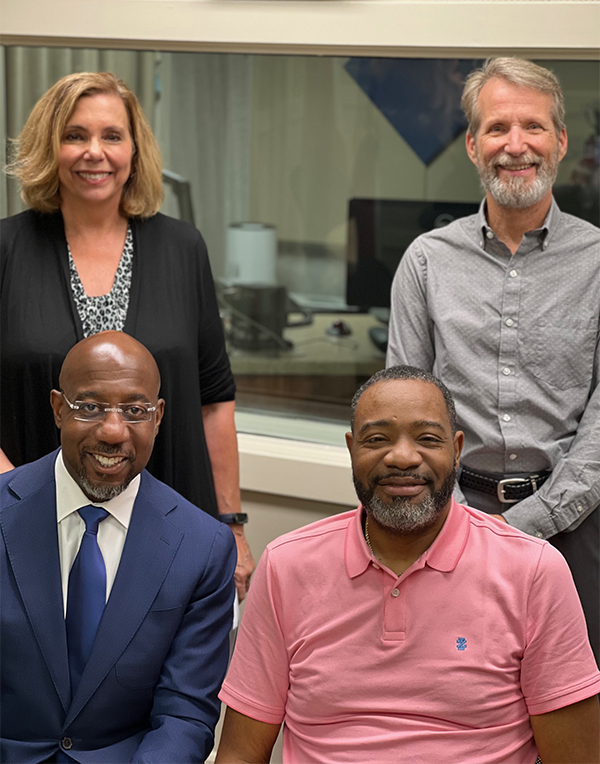
Longtime Georgia talk radio personality Martha Zoller announces that she is stepping away from her daily program on Jacobs Media’s WDUN-AM/FM, Gainesville but will remain with the station as a senior political analyst for WDUN and AccessNorthGa.com. Zoller says, “This has been one of the great privileges of my professional life. WDUN has allowed me to talk with  governors, senators, local leaders, neighbors, and listeners who care deeply about their communities. I’ve had a front-row seat to history, politics, and the people who shape North Georgia. I am grateful for every conversation, every caller, and every experience I’ve had on WDUN.” While Zoller is stepping away from the daily program, WDUN listeners will continue to hear her on the station through the Martha Zoller Minute, as well as in her ongoing role as a local political correspondent for WDUN. The station says it will keep the time slot local, with more details to be announced in the coming days about how local voices, local issues, and local conversations will continue to be featured. Jacobs Media Corporation chairman and CEO Jay Jacobs states, “Martha has been a valued colleague, trusted voice, and dear friend to so many of us at WDUN. For decades, she has brought integrity, intelligence, and passion to every conversation, helping listeners better understand the issues that shape our community, our state, and our nation. We are deeply grateful for her service and thrilled that her voice will remain part of the Jacobs Media family through her continued work as our senior political analyst.”
 respondents are most likely to say they use it at least weekly. There’s a strong feeling the government will need to step in to provide legal guard rails for AI use. Three in four (75%) are looking for some form of regulation. In fact, more than a third (36%) believe AI will need to be highly regulated. That perception may be fueled by the upcoming elections this November. About half (51%) say they’re very concerned about how AI might affect this fall’s political races. Members of the Greatest Generation and Boomers are most fearful of how the technology might influence upcoming elections. When it comes to three applications for radio – AI hosts, AI-voiced commercials, and AI-voiced station IDs – the biggest pushback predictably is directed at the idea of radio using cloned voices to take the place of live talent. Three in four (75%) raise the red flag over this AI application. Concern lessens when it comes to AI voice technology being used to read commercials. Still, nearly four in ten (39%) say they have big issues with radio stations they listen to using AI in ads. Respondents are most open to the idea of AI voices being utilized on station identification. Overall, about one-third (34%) have no problem, but a similar sized group (30%) expresses major concerns with this use case for AI. Jacobs Media general manager Paul Jacobs remarks, “It is still early days for AI in radio, but broadcasters need to respect the many concerns voiced by core fans of the medium. Up to now, many decisions have been made in a vacuum. Now the audience has a voice. We’ll be tracking their perceptions in Techsurveys in the coming years as the technology matures. The format level data for AI should provide welcome feedback for radio managers trying to get a handle on AI.”